





A spike in drug overdoses over the weekend in Moncton, N.B., has front-line workers across New Brunswick on high alert.
While Saint John hasn’t seen that same surge, harm reduction workers say they’re closely watching the situation as a dangerous veterinary sedative is appearing in the region’s illegal drug supply.
“We’re not seeing the overdoses that Moncton is currently, but we suspect we will,” said Saint John Fire Department Deputy Chief Ed Moyer.
This past weekend, the fire department in Moncton responded to 52 overdose calls, which the fire chief in that city called the worst few days he’s seen in his eight years on the job.
Josue Goguen, a front-line supervisor at Ensemble Moncton, which is the city’s only drug overdose prevention site, told Global News they suspected the current drug supply had a tranquillizer in it.
“We suspect that it’s medetomidine, which is a strong tranquillizer not made for human consumption,” Goguen said.
In Saint John, the executive director of Avenue B Harm Reduction says they are keeping a close eye on local trends and warns that toxic substances can move quickly through the region.

Get daily National news
Get daily Canada news delivered to your inbox so you’ll never miss the day’s top stories.
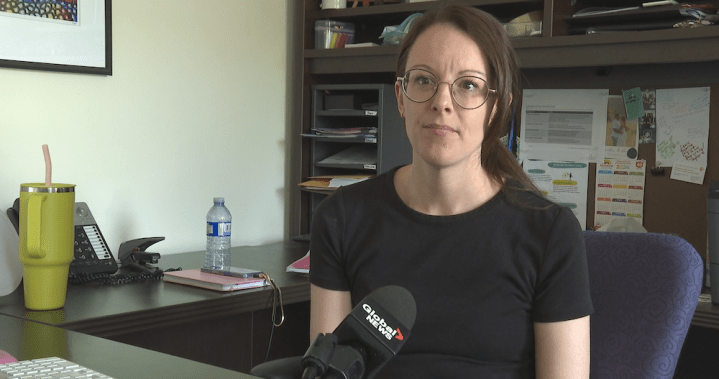
“Our drug testing machine recently has picked up medetomidine, which is a veterinary tranquillizer that’s being mixed in with the toxic drug supply. So, that’s definitely a concern,” said Laura MacNeill.
“Definitely more young people coming through the door, unfortunately. We are seeing a complicated mix. The toxic drug supply is here.”
MacNeill adds that xylazine is another powerful tranquillizer used in illicit drugs. She points out that front-line workers can only respond to overdose cases with rescue breathing and naloxone.
But the challenge, says Deputy Chief Moyer, is that these tranquillizers do not respond to naloxone.
“NarCan is only effective with opioids. So, anything else, it’s not effective,” he said.
MacNeill says researchers are studying potential medications that could reverse the effects of the tranquillizer sedatives, but stresses people need better access to resources and supports before the city reaches a crisis point.
“We need more treatment options. We need housing, we need more supports for individuals,” she said.
“It’s an affordability crisis. We’re seeing a crisis of mental health and we definitely need more supports.”
© 2026 Global News, a division of Corus Entertainment Inc.


