



Recommendations made in a report examining the most devastating wildfire season in Manitoba history should be implemented to improve the province’s response, those affected in 2025 said.
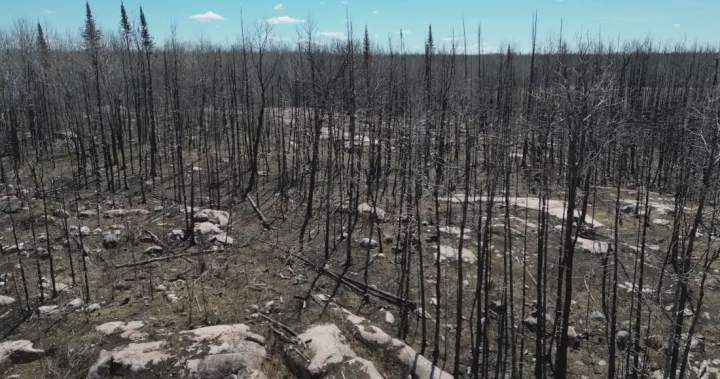
That 2025 wildfire season saw an estimated 2.2 million hectares of Manitoba ablaze as 445 wildfires burned, resulting in two people’s deaths in Lac du Bonnet and thousands of households being evacuated. The province declared a wildfire-related state of emergency on May 28, 2025.
An independent report, released Monday, examined Manitoba’s response to those fires and the weather conditions that preceded them. It said when fire season began in mid-May, a heatwave hit and intensified already fire-prone conditions.
The report had 22 recommendations for future wildfire responses, including bettering communication with local governments during and after incidents, improving provincial legislation and addressing staffing and operational concerns. It was prepared by Brandon University in collaboration with a team from the Alberta Management Agency and support from Manitoba Emergency Management Organization.
“For many Manitobans, the 2025 wildfire season was measured in time away from home and in uncertainty,” the report said. In total, nearly 33,000 people were evacuated from 59 communities provincewide.
Lac du Bonnet was one of the communities impacted by those evacuations two summers ago. The RM of Lac du Bonnet Reeve Loren Schinkel said the report highlighted the importance of team building among governments as they manage emergency situations.
“It seems like just yesterday that we dealt with this terrible tragedy, but really, the assistance that we received from the province was remarkable,” the reeve said, recalling his first meeting with four provincial representatives who helped the community deal with the fires. “That collaborative approach really assisted in how we moved forward.”
“Our community is resilient, and it is rebuilding and we really pulled together, both from the Town of Lac du Bonnet as well as the municipality. The loss of our two residents was devastating. And they say time heals everything, but it takes a long time for a grieving community.”
Schinkel described the fight against the fast-spreading wildfire in his community in 2025 as a “remarkable group effort,” crediting the local fire service, international firefighting teams and mutual aid who descended upon his community in its time of need.


Get daily National news
Get daily Canada news delivered to your inbox so you’ll never miss the day’s top stories.
“Without that we wouldn’t have been able to save our communities,” Schinkel continued.
Ken Pickering was the president of the Whiteshell Cottagers Association when a wildfire hit in 2025, prompting an evacuation in the eastern Manitoba community.
“(During evacuations) a lot of the information doesn’t flow as quick as people would like; however, it’s a lot of information and there were a lot of things going on,” the now-past president told Global News in an interview. “It’s difficult; you don’t know what’s going on.”
Like Schinkel, Pickering said the importance of teamwork between governmental agencies, residents and people looking to help was emphasized during the wildfire, but he said he felt that communication could have been improved.
“It was a lot of unknown, what the next steps were going to be,” he said, adding that “a rough play-by-play, as to how this would roll out, I think would help a lot of people in terms of what to expect and what’s going to come next.”
He noted the importance of also improving firefighting infrastructure and said it was a positive that the Manitoba government has taken steps to do so.
In addition to reflecting on the experiences of evacuated residents, the report called on the Manitoba government to table new, updated emergency legislation to keep it in line with modern emergency situations.
The report said the special powers in the Emergency Measures Act must be revised to consistently allow local governments decision-making powers in situations like the ones many faced two summers ago.
A news release from the Manitoba government said that the province has already taken action on some of the issues identified in the report, including its work to strengthen planning, training and coordination with local and Indigenous governments ahead of future fire seasons.
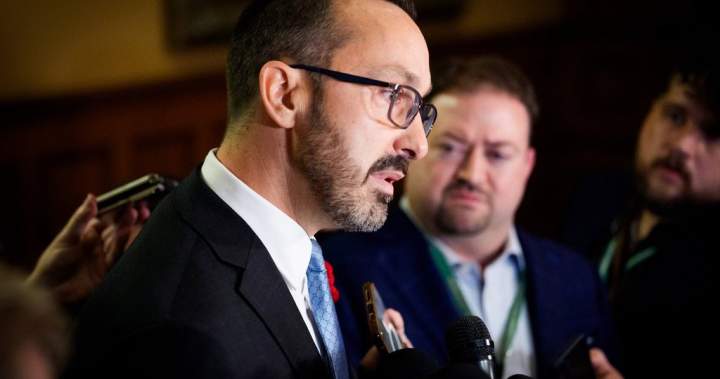
“This report will help shape our approach moving forward to ensure we are better prepared to respond whenever an emergency occurs,” Transportation and Infrastructure Minister Lisa Naylor said in the release.
Concerns regarding staffing and equipment availability were also identified in the report. It found that wildfire fighters did not have the necessary staffing or tools needed to fight all of Manitoba’s fires that season, and as a result, the response partly relied on the out-of-province teams who came to assist in the response.
“The human and material resources provided by our partners were critical in protecting communities, vital infrastructure and natural resources in Manitoba,” the report said.
More than 1,500 people were estimated to have arrived in the province that season to assist in firefighting efforts, as well as incident managers and support personnel. All of those responders faced “long shifts, limited relief coverage and demanding assignments” and continued to work despite that, according to the report.
Kyle Ross is president of the Manitoba Government and General Employees’ Union (MGEU), which represents thousands of workers who helped in the 2025 wildfire fighting effort. He told Global News that while that fire season was unexpected, seeing the province look back and reflect on the recommendations provided “can only improve what happens in the future.”
“When we had that very difficult season where they spent the whole summer fighting fires, talking to so many of those workers, they were hard to get ahold of when the season was over. They just disappeared to take a break. Many said they don’t know if they’re coming back after a summer like that,” he said.
The Manitoba government noted that it is working to hire a total of 19 additional firefighters and 15 new emergency management staff members for future responses, a move that Ross praised.
“I think the government heard Manitobans, heard the MGEU and has done the good work that needed to be done to be ready for an earlier firefighting season,” he said.
“They recognize that there were issues in 2025 and they’ve done a fair bit to try and rectify them. There’s always more work to do, though.”
Ross added that MGEU workers hope to continue being part of the conversation on how the response can be improved.